Gold · Daily Analysis
Gold Falls as Bond Yields Surge to Decades-High Levels and Oil Extends Gains
Executive Summary
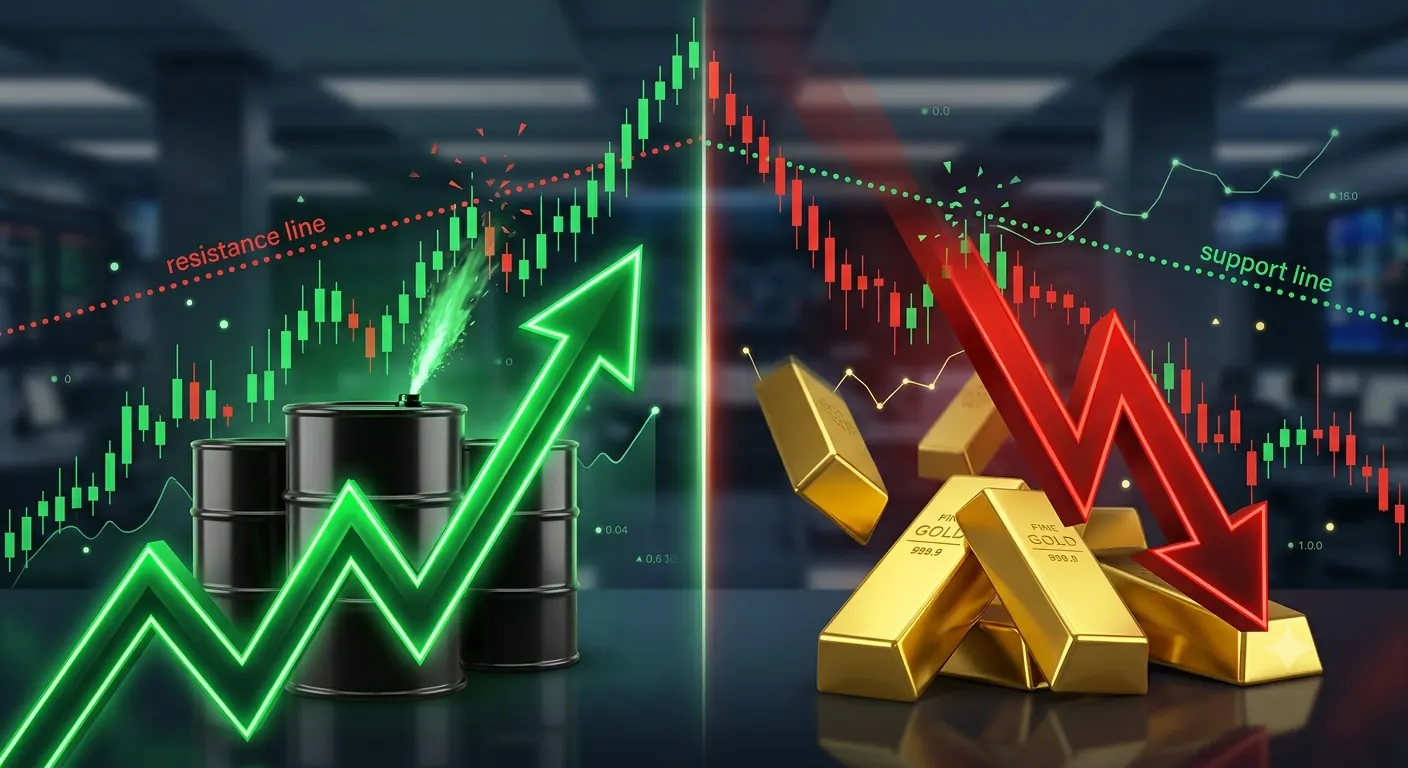
At the close of trading, the price of gold fell by $52 (-1.18%), declining from $4,417 to $4,365 per troy ounce. During the trading session, gold remained under pressure as rising bond yields and higher oil prices weighed on demand for the metal.
Fundamental Analysis
Gold declined as Treasury yields surged to their highest levels in decades, increasing the opportunity cost of holding non-yielding bullion. The U.S. 30-year Treasury yield reached its highest level since mid-2007, while long-term borrowing costs in the United States, Japan and Germany also climbed significantly.
Oil prices continued to rise for a third consecutive session as tensions between the United States and Iran escalated. Iran said the Strait of Hormuz would remain closed until Washington met conditions for an interim agreement, while prospects for a U.S.-Iran peace deal appeared increasingly uncertain.
Higher energy prices could reinforce inflationary pressures and make central banks more cautious about lowering interest rates. This created additional pressure on gold despite recent economic data pointing toward weaker U.S. growth.
Recent U.S. data showed unexpected job losses in July, cooler inflation and weak retail sales, which had previously reduced expectations for a September Federal Reserve rate hike. Markets were pricing in a 33% probability of a September rate increase, down from 51.2% a month earlier, according to the CME FedWatch Tool.
Technical Analysis
Analysts cited by Reuters described the decline as potentially part of a consolidation period rather than a change in the broader bullish trend, though sustained increases in Treasury yields and energy prices could continue to create headwinds for bullion.
Key Levels
| Prior Close (Resistance) | $4,417 |
| Session Close | $4,365 |
Outlook
Overall, surging bond yields and higher oil prices were the main drivers of gold's decline, temporarily outweighing support from weaker U.S. economic data and reduced expectations for a September Fed rate hike. The Fed minutes and developments around the Strait of Hormuz will remain key factors for gold in the near term.
Current price: Gold — $4,365 per troy ounce
What to Watch Next
- Wednesday's Federal Reserve July meeting minutes — investor attention has shifted here for clues on how policymakers view inflation, employment, and the path of rates.
- Whether the Strait of Hormuz situation escalates further. Iran has tied reopening to specific U.S. concessions, and continued closure keeps oil prices — and the inflation pressure they create — elevated.
- The path of long-term bond yields, which did most of the damage today. The 30-year Treasury yield hitting its highest level since mid-2007 is a significant, decades-scale move worth tracking closely.
Bottom Line
Today's decline was a genuine yields-and-oil story, not a change in the softer-data narrative that's been supporting gold — weak jobs, cooler inflation, and reduced rate-hike odds are all still in place underneath this pullback. Whether this is consolidation within an uptrend or the start of something deeper likely hinges on the Fed minutes and the Hormuz standoff, both due this week.
Sources
- Reuters — analyst commentary on gold's consolidation versus trend change, August 2026
This article is provided for informational purposes only and does not constitute investment, financial, or trading advice.