Gold · Daily Analysis
Gold Slips as Oil Supply Disruptions and 10-Year Yield Hit Highest Since 2007
Executive Summary
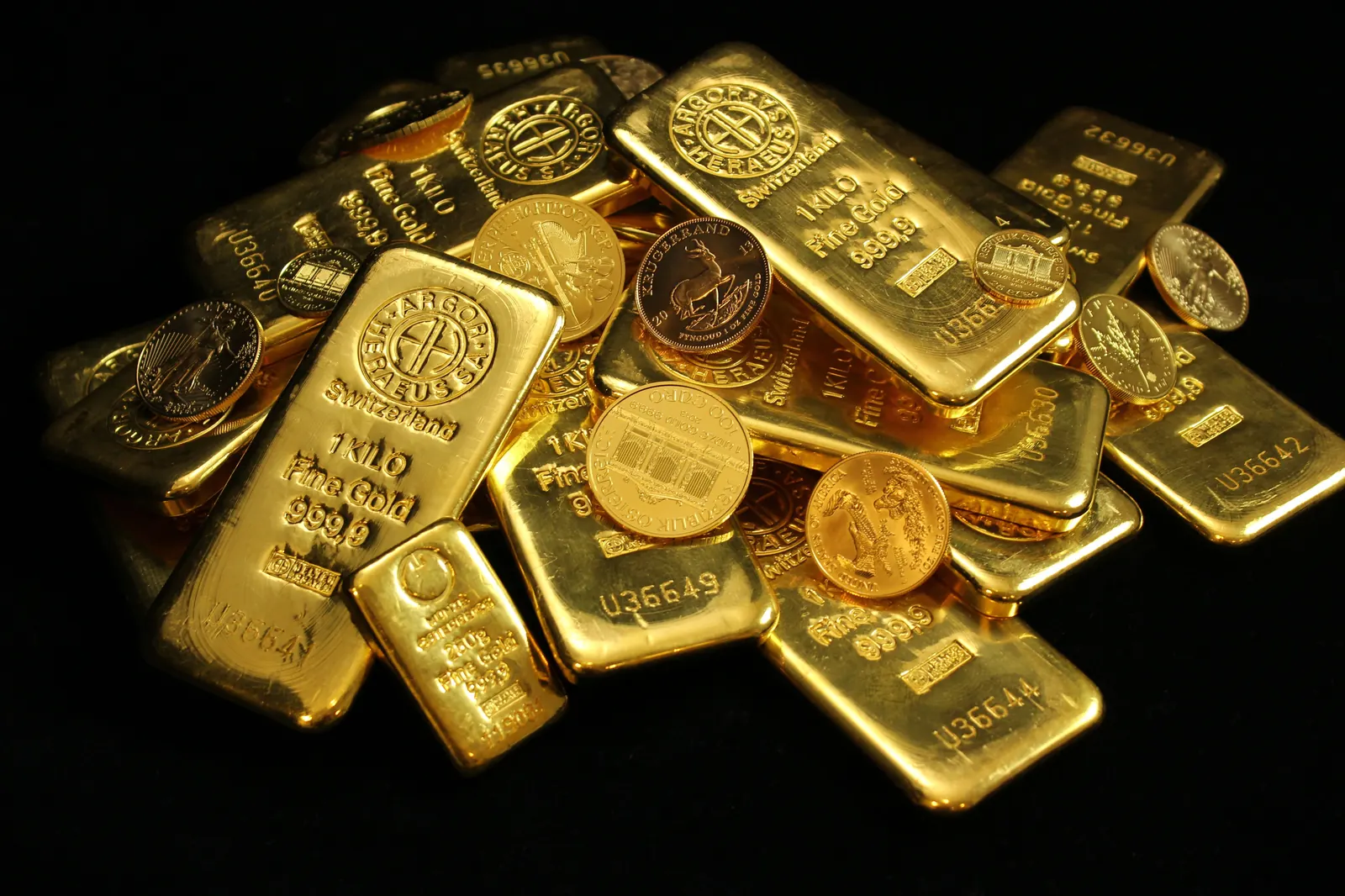
At the close of trading, gold fell by approximately $19 (-0.4%), declining from around $4,313 to $4,293 per troy ounce. Gold remained near its more than one-month low as rising oil prices, higher Treasury yields and a stronger dollar increased pressure on the metal ahead of Wednesday's Federal Reserve decision.
Fundamental Analysis
The main pressure came from the renewed rise in oil prices. Crude prices increased by more than $3 after oil loadings at Saudi Arabia's Red Sea port of Yanbu were suspended and Libya halted operations at three oil fields. The disruptions raised concerns that tighter oil supply could persist, keeping energy prices elevated.
The oil-driven inflation concerns reinforced expectations for a Federal Reserve rate hike. Markets were heavily pricing a 25-basis-point increase, which would bring the federal funds target range to 3.75%–4.00%. The Fed's decision was scheduled for Wednesday, making its guidance on future policy particularly important for gold.
The dollar also strengthened, adding another headwind. Because gold is priced in dollars, a stronger U.S. currency makes bullion more expensive for investors using other currencies, potentially reducing international demand.
Despite the pressure, gold's decline was relatively limited. Much of the expected Fed tightening had already been incorporated into market prices, meaning the central question was shifting from whether the Fed would raise rates to what policymakers would signal about subsequent increases. Analysts cited by Reuters noted that gold could remain vulnerable if the Fed indicated that rates would stay higher for longer.
Technical Analysis
The pressure was amplified by U.S. Treasury yields. The benchmark 10-year Treasury yield reached its highest level since 2007, increasing the relative attractiveness of interest-bearing assets compared with gold, which does not generate regular income.
Key Levels
| Prior Close (Resistance) | $4,313 |
| Session Close | $4,293 |
Outlook
Overall, gold remained under pressure as rising oil prices reinforced inflation concerns, Treasury yields climbed to multi-year highs and the dollar strengthened. With most of the expected Fed hike already priced in, gold's next major move will depend heavily on how the Federal Reserve communicates the future path of interest rates.
Current price: Gold — $4,293 per troy ounce
What to Watch Next
- Wednesday's Federal Reserve decision — a 25-basis-point hike to 3.75%–4.00% is heavily priced in, so the Fed's forward guidance on further tightening is the real event to watch, not the hike itself.
- Whether the 10-year Treasury yield's move to its highest level since 2007 — a genuinely historic level — continues or stabilizes after the Fed decision.
- The Saudi Yanbu port suspension and Libyan oil field halts, and whether these supply disruptions persist or resolve quickly.
Bottom Line
With the rate hike itself essentially a formality at this point, Wednesday's actual news will be entirely in the Fed's tone — gold's muted reaction today, despite a 10-year yield at its highest since 2007, suggests the market is holding its powder for that signal rather than trading the hike itself. A "higher for longer" message would be the clearer risk to watch for than the decision itself.
Sources
- Reuters — analyst commentary on Fed policy outlook and gold, September 2026
This article is provided for informational purposes only and does not constitute investment, financial, or trading advice.