Gold · Daily Analysis
Gold Reverses Sharply as Fed Hikes and Warsh Signals More Tightening May Be Needed
Executive Summary
At the close of trading, gold fell by approximately $53 (-1.2%), declining from around $4,293 to $4,240 per troy ounce. Gold initially rose more than 1% during the session, reaching approximately $4,366, but reversed lower after the Federal Reserve raised interest rates and signaled that borrowing costs could remain elevated.
Fundamental Analysis
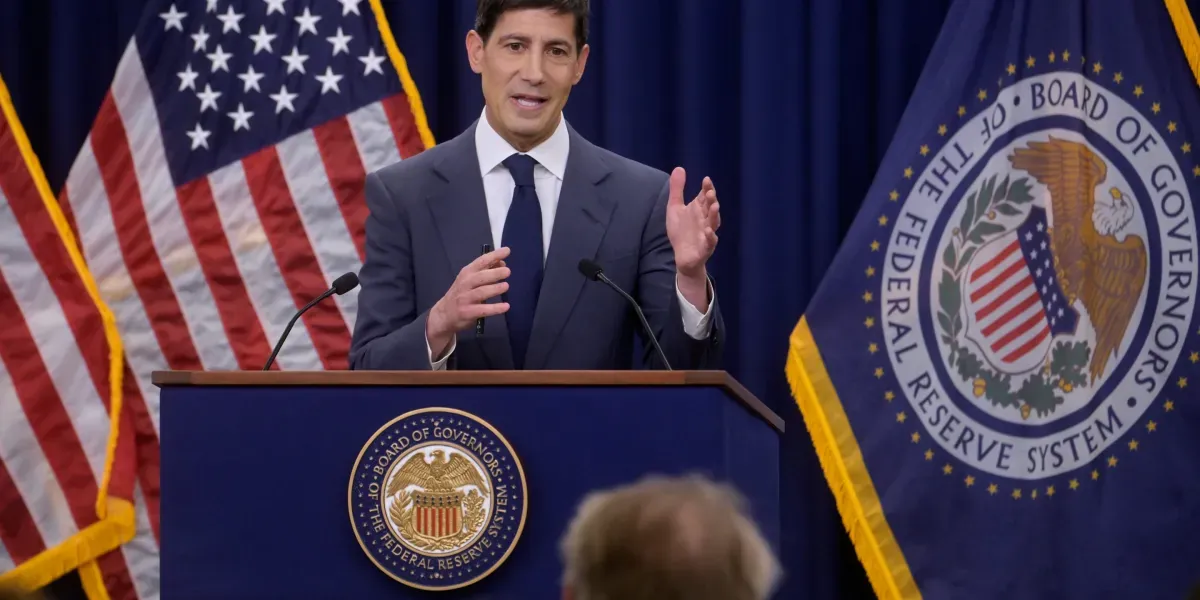
The Federal Reserve increased its benchmark interest rate by 25 basis points to 3.75%–4.00%. While the increase had been widely expected, the accompanying guidance created renewed pressure on gold. Fed Governor Kevin Warsh emphasized that inflation remained too high and that the central bank's focus was on restoring price stability.
The dollar strengthened against the euro following the Fed's announcement. Because gold is priced in U.S. dollars, a stronger dollar makes bullion more expensive for international buyers, adding another source of downward pressure.
The market reaction shows why the Fed's communication mattered more than the rate increase itself. Investors had already largely anticipated the 25-basis-point hike, so the reversal in gold came as policymakers signaled that additional rate increases could be necessary. This shifted expectations toward a longer period of restrictive monetary policy.
Inflation remained at the center of the Fed's decision. Recent U.S. inflation data showed consumer prices accelerating in August, while higher energy prices have added further inflationary pressure. The combination of tariffs, the energy shock linked to the conflict in the Middle East, and strong AI-related capital spending has kept price pressures elevated.
Oil prices, however, moved lower during Wednesday's session. Reports of additional Saudi crude shipments through Oman eased some concerns about supply disruptions, while a smaller-than-expected decline in U.S. crude inventories also weighed on prices. Lower oil prices reduced some of the immediate inflation pressure that had contributed to the recent rise in rate-hike expectations.
Technical Analysis
Gold's decline was part of a broader move across precious metals. Silver fell 1.7%, platinum declined 2.3%, and palladium dropped 1.5%, reflecting the broader impact of a stronger dollar and tighter monetary-policy expectations.
Key Levels
| Intraday High | $4,366 |
| Prior Close (Resistance) | $4,293 |
| Session Close | $4,240 |
Outlook
Overall, gold reversed an early gain and fell more than 1% after the Federal Reserve raised rates and delivered a hawkish message on inflation. The combination of higher expected borrowing costs and a stronger dollar outweighed gold's initial support, pushing the metal back toward its recent lows. The next focus for gold will be the Fed's policy path rather than the September rate increase itself.
Current price: Gold — $4,240 per troy ounce
What to Watch Next
- Further public remarks from Fed Governor Warsh and other policymakers, following his emphasis that inflation remains too high and further tightening may be needed.
- Whether the specific inflationary combination the Fed flagged — tariffs, Middle East-linked energy costs, and AI-related capital spending — continues to build or begins to ease.
- Whether gold can reclaim ground toward today's intraday high of $4,366, or whether the hawkish reversal marks a more durable shift lower.
Bottom Line
Today confirmed exactly what the past two days of coverage anticipated: the rate hike itself was a non-event, fully priced in, while Warsh's hawkish framing of persistent inflation drove the entire move — a swing of over $120 from the session's high to its close. With the September decision now behind us, the market's attention shifts fully to the Fed's next signals on how much further this tightening cycle has to run.
This article is provided for informational purposes only and does not constitute investment, financial, or trading advice.